Mobile: +86 139 3019 6652
E-mail: zx@zkxp.com

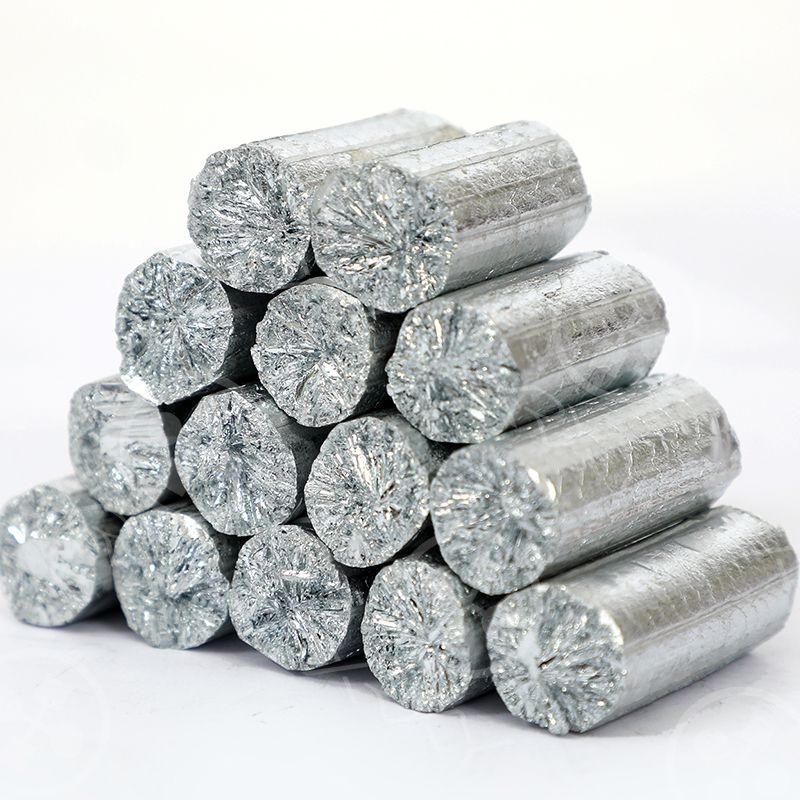
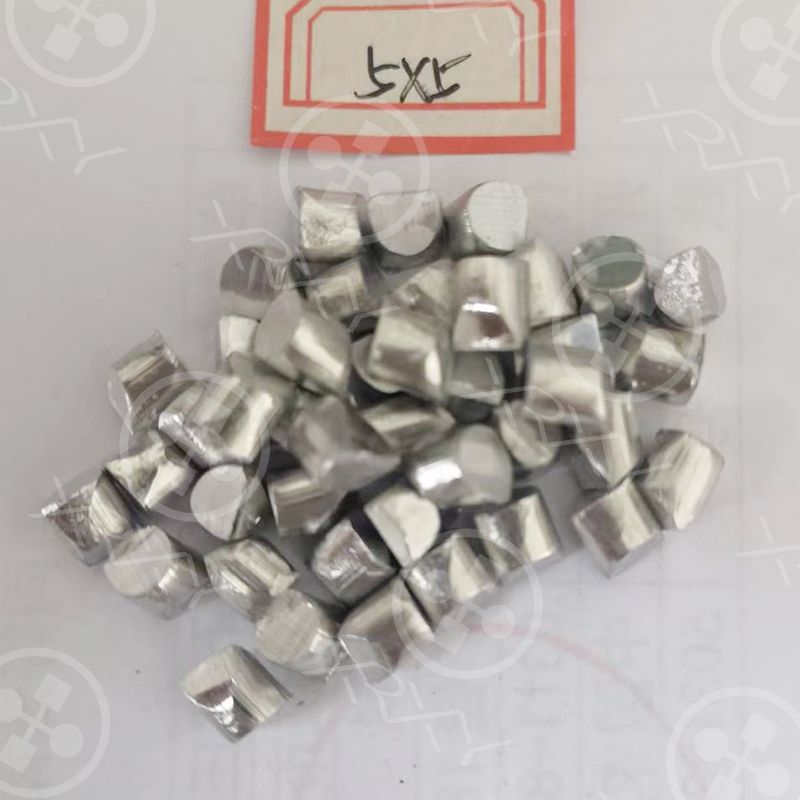
Zinc cut wire is made from zinc wire cut into specific lengths for various applications, while zinc balls are spherical forms of zinc, utilized primarily in cathodic protection. Both serve important purposes in various industrial and manufacturing sectors.
| Parameter | Zinc Cut Wire | Zinc Balls |
|---|---|---|
| Material Purity | Higher purity, typically 99.9% | Standard purity, around 95% |
| Density | 7.14 g/cm³ | 7.14 g/cm³ |
| Shape | Cylindrical | Spherical |
| Application | Welding, corrosion resistance | Cathodic protection, electroplating |
| Cost | Usually higher due to processing | Generally lower |
When evaluating zinc products, users report on various factors including battery life, stability, and usability in different environments. Users generally find that zinc cut wire provides enhanced performance in welding applications, whereas zinc balls show reliability in corrosion resistance and protection.
Zinc cut wire typically shows improved stability under high-temperature conditions, making it more suitable for intensive welding operations. Zinc balls, while effective for cathodic protection, may not have the same thermal resistance but excel in a standard corrosion protection scenario.
Companies requiring high-performance welding should opt for zinc cut wire, particularly in construction and heavy machinery industries. Conversely, businesses focused on corrosion protection for pipelines or metal structures may benefit more from using zinc balls.
In summary, both zinc cut wire and zinc balls serve significant roles in industrial applications. When deciding between the two, consider factors such as performance needs, budget constraints, and specific application requirements. Always prefer high-quality products to ensure efficacy. For more information on superior zinc products, consider reaching out to Xinri.
Dec. 22, 2025