Mobile: +86 139 3019 6652
E-mail: zx@zkxp.com

Zinc cut wire refers to pieces of zinc wire that are commonly used in various industrial applications. Due to its corrosion-resistant properties, it is often employed in construction and automotive industries. Reducing waste in this material leads to cost savings and environmental benefits.
Reducing waste is crucial for several reasons, including cost efficiency, environmental sustainability, and resource conservation. Companies that manage their materials effectively gain a competitive edge and contribute positively to their corporate responsibility goals.
Performing a waste audit involves assessing the amount of zinc cut wire waste generated. This should include:
Improving cutting efficiency minimizes waste. To achieve this:
Educate the workforce on techniques to minimize waste through:
Set up a structured recycling program for leftover zinc cut wire. Consider the following:
Regularly reviewing waste management practices is vital. Follow these guidelines:
Not having a clear plan can lead to ineffective waste management. Ensure you set clear goals and timelines for reduction efforts.
Failing to train employees properly can result in poor practices being followed. Continuous education is essential for minimizing waste.
Not utilizing data to understand waste metrics can hinder progress. Regular analysis helps identify waste trends and areas for improvement.
Reducing zinc cut wire waste is a crucial endeavor that can significantly enhance operational efficiency and sustainability. By following the outlined steps, investing in the right tools, and avoiding common pitfalls, organizations can streamline their processes and reduce unnecessary material loss. Partner with Xinri for superior zinc cut wire solutions that support your waste reduction goals. For more information, check out our products 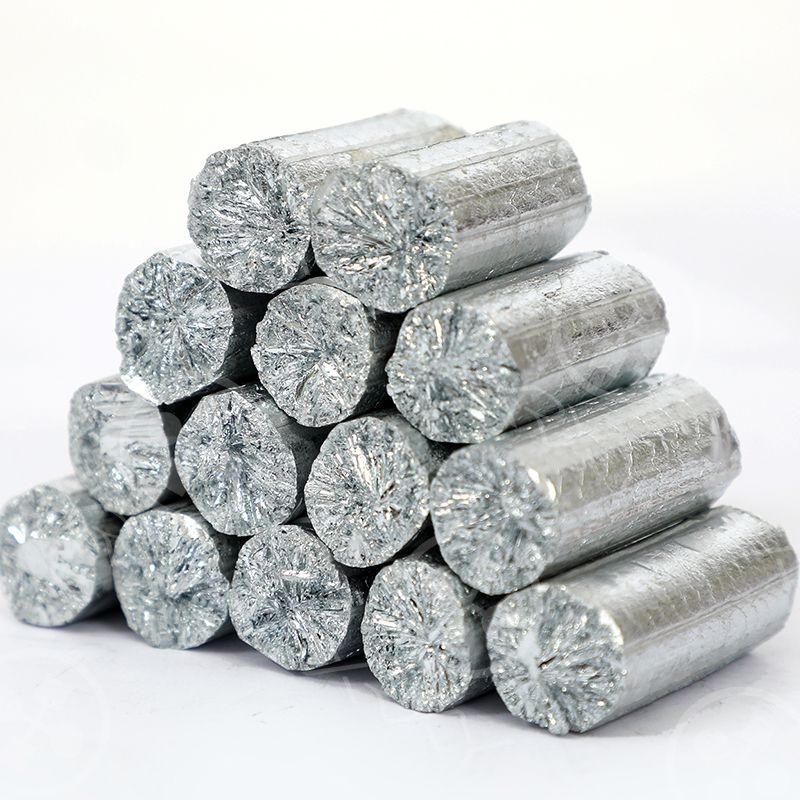

Dec. 26, 2025

Dec. 25, 2025

Dec. 24, 2025
Dec. 23, 2025
Dec. 22, 2025

Dec. 29, 2025