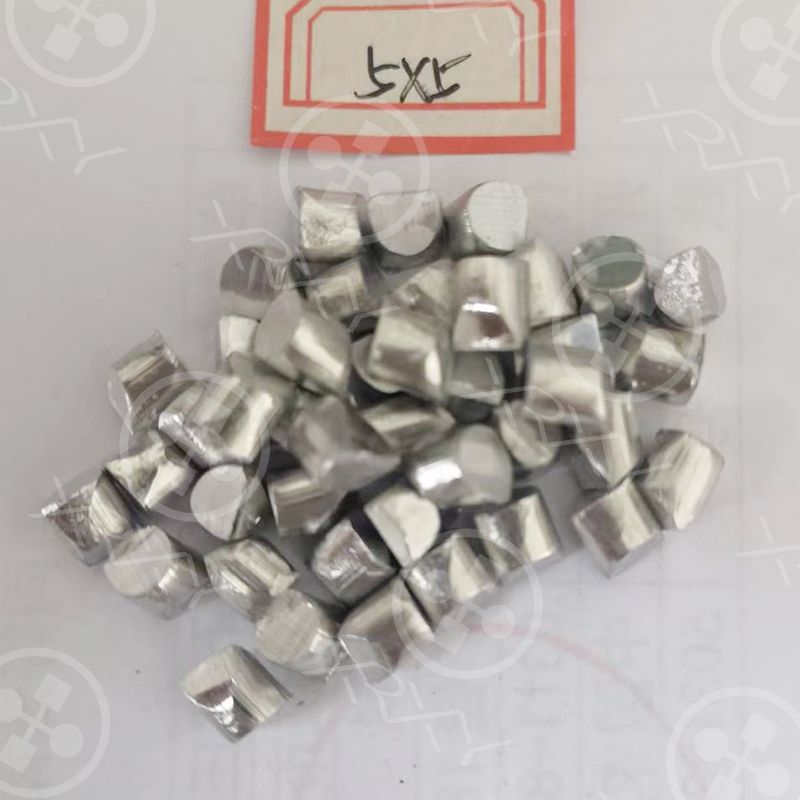
1. Understanding Zinc Cut Wire
Zinc Cut Wire is widely used in various industries for applications such as shot blasting, welding, and even as a component in the production of other metal products. Its properties, including high resistance to rust, make it a favorable choice for many manufacturers. To maintain the quality and integrity of zinc cut wire, proper storage conditions are critical to prevent contamination and deterioration.
2. Importance of Proper Storage Conditions
Inadequate storage conditions can lead to significant issues such as moisture build-up, corrosion, and product inefficiency. Ensuring the right environment is key for preserving the wire's quality:
- Prevention of Corrosion
- Maintaining Mechanical Integrity
- Extending Product Lifespan
Prevention of Corrosion
Corrosion is a primary concern when storing zinc cut wire. Proper ventilation and humidity control are essential to mitigate this risk.
Maintaining Mechanical Integrity
Storing zinc cut wire in adverse conditions can lead to deformities. Consistent monitoring of storage conditions can help maintain the wire's mechanical properties.
Extending Product Lifespan
Proper storage can prolong the lifespan of zinc cut wire, providing manufacturers and distributors with better returns on their investments.
3. Recommended Storage Practices
To ensure optimal storage conditions for zinc cut wire, consider the following practices:
- Store in a Dry Location
- Control Temperature and Humidity
- Use Protective Packaging
Store in a Dry Location
Choose a storage area that is consistently dry, avoiding damp basements or warehouses prone to moisture.
Control Temperature and Humidity
The ideal temperature for storing zinc cut wire is between 15-25 degrees Celsius, while humidity levels should be below 50%.
Use Protective Packaging
Wrapping the wire in plastic or moisture-resistant materials can offer additional protection.
4. Environmental Factors Affecting Storage
Recognizing environmental factors is crucial for maintaining the quality of zinc cut wire:
- Humidity
- Temperature Fluctuations
- Exposure to Chemicals
Humidity
High humidity can accelerate corrosion, so a dehumidifier may be necessary in some environments.
Temperature Fluctuations
Extreme temperature changes can cause materials to expand and contract, leading to potential damage.
Exposure to Chemicals
Ensure that the storage area is free from harsh chemicals that could react with zinc, causing deterioration.
5. Troubleshooting Common Storage Issues
If you encounter problems with the storage of zinc cut wire, consider the following troubleshooting tips:
- Inspect Regularly for Signs of Corrosion
- Adjust Humidity Controls as Necessary
- Repackage Affected Materials
Inspect Regularly for Signs of Corrosion
Frequent checks can help identify corrosion early, allowing for timely intervention.
Adjust Humidity Controls as Necessary
Fine-tuning humidity levels can greatly reduce the risk of corrosion.
Repackage Affected Materials
If any wire shows signs of damage, remove it and repackage it to prevent further issues.
6. Conclusion
Implementing effective storage conditions for zinc cut wire is essential for maintaining its integrity and usability. By adhering to recommended storage practices, manufacturers can avoid common pitfalls and ensure a higher quality product upon delivery to their customers. The cost of neglecting proper storage conditions can far exceed investments in suitable environments for storage.
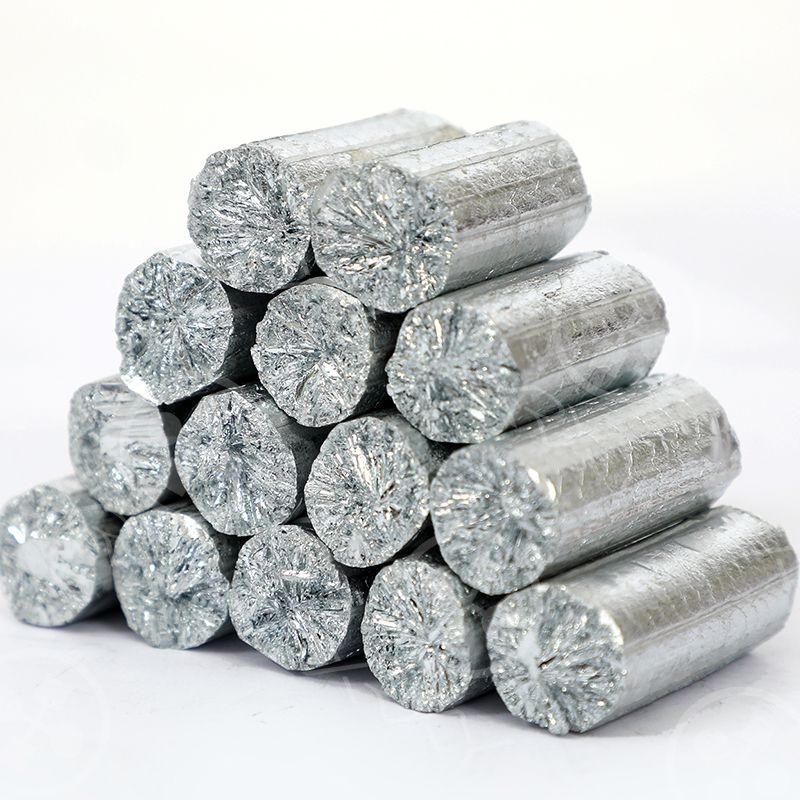
For more information on zinc cut wire and optimal storage conditions, reach out to Xinri for expert guidance and solutions tailored to your needs.