Mobile: +86 139 3019 6652
E-mail: zx@zkxp.com

The Zinc Cut Wire caking issue affects many industries that rely on this material. Caking occurs when the zinc particles clump together and lose their effectiveness. This problem can lead to inefficiencies in applications such as shot blasting or surface cleaning. The result is often increased downtime and costs. Manufacturers frequently search for solutions to prevent this issue. Understanding the causes of Zinc Cut Wire caking can help address and mitigate its effects.
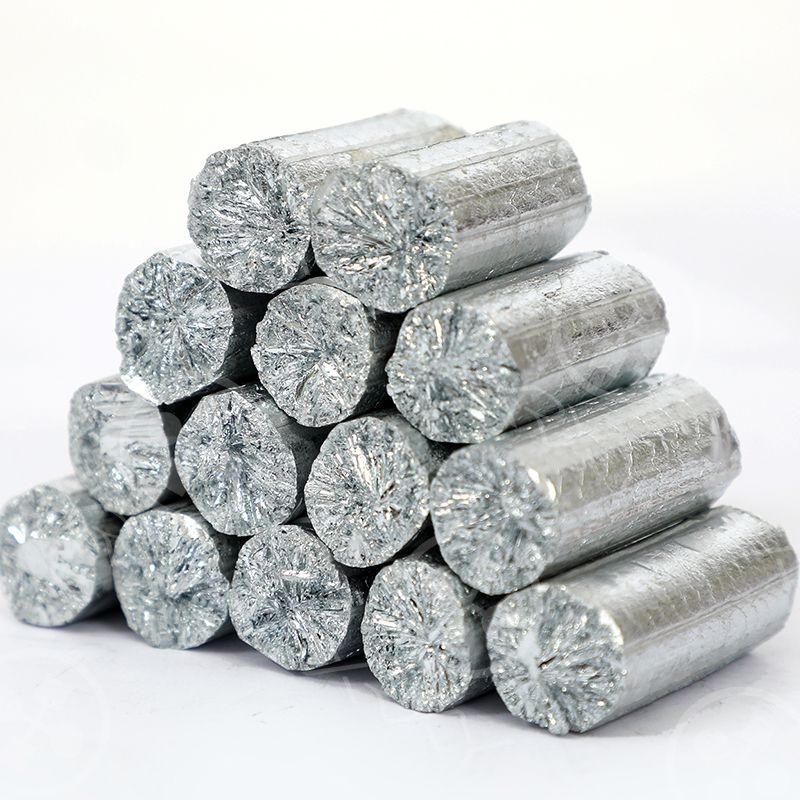
The zinc cut wire caking issue arises primarily from moisture, improper storage, and contamination. Addressing these factors can minimize the risk of caking and maintain product quality.
In summary, the zinc cut wire caking issue is significant for industries using this material. Factors such as moisture exposure, improper storage, and contamination all contribute to this problem. Addressing these issues can help maintain the efficacy of zinc cut wire in various applications.
Zinc cut wire is a material used for various industrial applications, especially in shot blasting and surface preparation.
Ensure proper storage, avoid moisture exposure, and use high-quality zinc cut wire to minimize the risk of caking.
Signs include clumped particles and decreased performance in blasting applications.
Yes, humidity can cause the zinc particles to clump together, resulting in caking.
Yes, zinc cut wire should be stored in a cool, dry place to prevent caking and contamination.
Jan. 02, 2026
Jan. 01, 2026

Dec. 24, 2025

Dec. 30, 2025

Dec. 29, 2025

Dec. 25, 2025
Dec. 23, 2025
Dec. 22, 2025