Mobile: +86 139 3019 6652
E-mail: zx@zkxp.com

Zinc cut wire moisture problem

1. Overview of Zinc Cut Wire and its Applications

Zinc Cut Wire is a versatile product commonly used in industries such as construction, automotive, and manufacturing. Its primary function is to provide corrosion resistance and support during various processes. Understanding the moisture problem associated with zinc cut wire is critical for maintaining its integrity and performance. In this article, we delve into the factors causing moisture-related issues, the effects on the wire, and effective solutions to mitigate these challenges.

2. The Moisture Problem: Definition and Causes

Moisture issues in zinc cut wire arise when environmental conditions lead to the accumulation of water on the surface. This can occur due to several factors:

  1. High Humidity Levels: Environments with relative humidity above 60% can contribute to moisture accumulation.
  2. Poor Storage Conditions: Improperly stored zinc cut wire may become exposed to moisture sources.
  3. Transportation Challenges: Inadequate packaging during transport can expose the wire to moisture.

Moisture Sources

Common moisture sources include:

  • Rain and moisture-laden air during transportation
  • Condensation within storage facilities
  • Inadequate sealing of packaging materials

3. Effects of Moisture on Zinc Cut Wire

The presence of moisture can have detrimental effects on zinc cut wire, leading to a range of problems:

  1. Corrosion: Moisture promotes corrosion, leading to reduced durability.
  2. Adhesion Issues: Moisture can cause problems with adhesives used in applications.
  3. Weakened Structural Integrity: Moisture can compromise the wire's structural strength.

Comparison of Corrosion Rates

Condition Corrosion Rate (mm/year)
Dry Environment 0.5
High Humidity 5
Submerged in Water 10

4. How to Detect Moisture in Zinc Cut Wire

Detecting moisture in zinc cut wire is essential for taking timely action. Here are some methods:
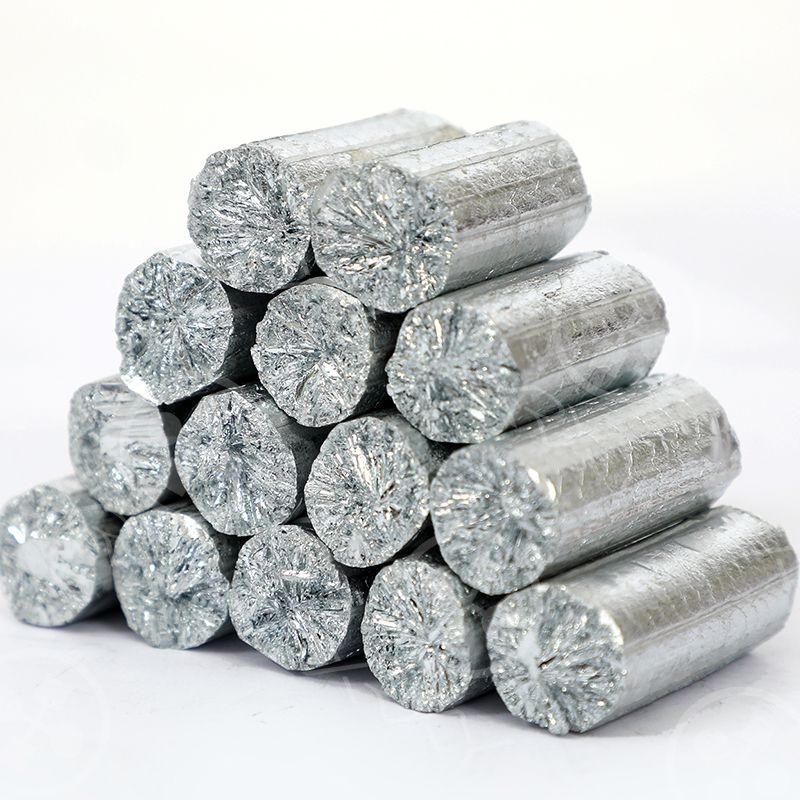
  1. Visual Inspection: Look for signs of rust or discoloration.
  2. Humidity Measurement: Use hygrometers to measure environmental humidity.
  3. Weight Comparison: A significant weight increase may indicate moisture absorption.

Step-by-Step Detection Process

Zinc cut wire moisture problem

5. Solutions: Preventing and Managing Moisture

Implementing effective strategies to manage moisture is crucial for preserving the quality of zinc cut wire:

  1. Proper Storage: Store wire in a climate-controlled environment.
  2. Quality Packaging: Use moisture-resistant packaging materials.
  3. Regular Inspections: Conduct periodic checks for moisture levels.

Preventive Measures

Incorporating silica gel packs or other desiccants in storage containers can effectively absorb excess moisture.

6. Case Studies: Successful Management of Moisture Issues

Several companies have successfully addressed moisture problems through innovative solutions, leading to significant improvements:

  1. Company A implemented a new packaging method that reduced moisture exposure by 70%.
  2. Company B introduced climate-controlled storage that decreased incidence of corrosion.
  3. Company C utilized desiccants during transport, leading to zero moisture-related complaints.

Summary of Cases

These case studies illustrate the importance of preventive measures and monitoring to ensure the longevity of zinc cut wire.

7. Summary and Best Practices

In summary, understanding and managing moisture problems in zinc cut wire is essential for maintaining product quality. Best practices include:

  1. Regularly monitor the environment for humidity levels.
  2. Ensure quality control during storage and transportation.
  3. Incorporate proven preventive measures such as quality packaging and storage techniques.

By following these guidelines, manufacturers and distributors can significantly reduce moisture-related issues, ensuring high-quality products for end-users.

Chat with Us